
Are you curious about the world of documentary filmmaking? With the rise of streaming platforms and a growing audience hungry for real-life stories, the demand for high-quality documentaries has never been greater. In this article, we will explore the elements that make a documentary impactful, share tips for aspiring filmmakers, and dive into the latest trends in the genre. Stay tuned as we unveil the secrets behind captivating documentaries that not only inform but also inspire and entertain!
Copyright free videos without watermark for YouTube at snapvideofun.online
Understanding the Fundamentals of Documentary Filmmaking
Diving into the realm of documentary filmmaking involves grasping its very essence. A documentary serves as a lens through which audiences witness real-life events, societal issues, and personal stories. Unlike scripted films, documentaries rely heavily on factual representation.
To effectively tell a story, a filmmaker must articulate a clear intent. Determine the message you wish to convey, as this forms the backbone of the project. Whether it’s social justice, environmental concerns, or cultural observations, each topic demands thorough exploration.
Moreover, understanding the audience plays a crucial role in documentary filmmaking. Engaging viewers requires a delicate balance of information and entertainment. Strive to create a narrative that invites curiosity while driving home important truths. This approach not only enlightens but also entertains, making the documentary a powerful tool for awareness.
Additionally, aspiring filmmakers must familiarize themselves with various styles and formats. From observational to participatory and expository documentaries, each style influences how the story unfolds. Ultimately, the fundamental goal of a documentary is to shed light on aspects of life that often go unnoticed or skewed, leaving a lasting impact on its audience.

Key Elements That Define a Captivating Documentary
To create an impactful Documentary Filmmaking , certain elements must harmoniously blend. First and foremost is the narrative structure. A compelling narrative is essential; it should capture the viewer’s attention from the onset and maintain it throughout. Your documentary should unfold like a story, with a clear beginning, middle, and end, creating a journey rather than a monotonous exposition.
Next, the subject matter is paramount. A captivating documentary focuses on themes that resonate with audiences—be it historical events, inspiring individuals, or pressing social issues. Deeply researched topics often yield authentic stories, offering insights that stir emotions and provoke thought.
Visuals also play a crucial role in storytelling. Captivating footage, whether through stunning cinematography or raw, candid moments, enhances the narrative. Quality visuals compel viewers to stay engaged and absorb the message you aim to convey. Additionally, sound design cannot be overlooked; it adds depth, atmosphere, and emotional resonance, heightening the overall experience.
Finally, consider the pacing of your documentary. It should ebb and flow, allowing moments for reflection and engagement. Striking the right balance ensures that audiences are not overwhelmed but rather immersed in the unfolding story.

The Importance of Research and Storytelling in Documentaries
Research stands as the backbone of any successful documentary. Thorough investigation into your subject matter enriches the narrative and strengthens credibility. A well-researched documentary authentically represents the characters and events, ensuring that viewers receive a truthful and comprehensive account. This commitment to accuracy not only enriches the storyline but also makes it relatable and informative.
Storytelling is intricately tied to research. It’s about weaving facts into a narrative that captivates the audience, drawing them into the lives and experiences being portrayed. Discovering compelling anecdotes or lesser-known facts can add layers of depth to the storytelling, making it more engaging.
Essentially, storytelling in documentaries should reflect real-life experiences, evoking genuine emotions from the audience. Utilize interviews and first-person narratives, as these elements create a connection between the viewers and the subjects. Crafting a narrative that intertwines factual information with personal accounts leads to a more enriching experience, enhancing empathy and understanding.
By prioritizing research and authentic storytelling, filmmakers can ensure that their documentaries not only educate but also inspire. This combination ultimately transforms raw data into relatable human experiences, encouraging viewers to reflect on the world around them.
Techniques for Capturing Authentic Footage
Authenticity is the cornerstone of effective documentary filmmaking. To capture genuine moments, a filmmaker must develop a keen eye for observation. It often means blending in rather than standing out; avoiding interruptions allows subjects to act naturally and comfortably. Employ techniques like handheld filming to create a more intimate feel, bringing viewers closer to the action.
Additionally, spontaneity can lead to powerful and unexpected footage. While planning is essential, remaining open to the unscripted elements of life can yield stunning results. Be prepared to capture moments that arise organically, which often convey authentic emotions and messages.
Utilizing natural lighting enhances the realism of your documentary. Artificial lights can create a sense of detachment, while natural light fosters an intimate connection with viewers. When filming interviews, choose locations that are meaningful to the subjects, providing context and richness to their stories.
To further engage the audience, consider using a variety of angles and perspectives. This diversity allows viewers to experience the subject matter from different viewpoints, creating a more immersive experience. Ultimately, the key is to embrace authenticity in every aspect of the production.
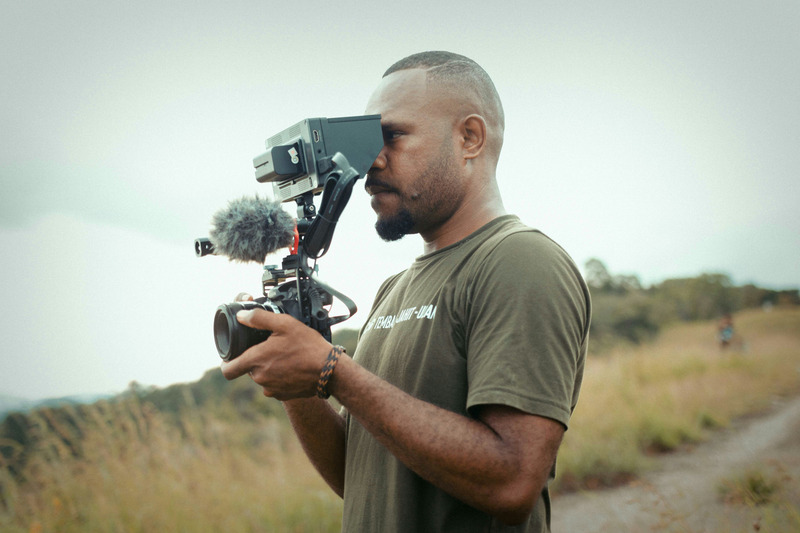
The Role of Ethics in Documentary Filmmaking Production
Ethics in documentary filmmaking cannot be overstated. As a filmmaker, it’s vital to approach subjects with sensitivity and respect, especially when dealing with vulnerable communities or individuals. Ensure that you have informed consent from all participants involved, making certain they understand the intent and potential implications of their stories being told.
Moreover, accuracy must guide the documentary process. Misrepresentations can lead to significant consequences, not just for the subjects but for the overall credibility of the filmmaker. Rigorously verify all facts and stories; honesty should be paramount in your representation.
The power dynamics within documentaries also warrant ethical consideration. It’s crucial to acknowledge the voices of those featured and allow them agency in how their narratives are presented. Amplifying their perspectives rather than imposing an external narrative fosters a more equitable representation.
Lastly, be aware of the impact your documentary may have on wider societal conversations. Filmmakers hold a responsibility to portray their subjects truthfully, ensuring that the stories shared contribute positively to public discourse. Ethics guide the integrity of the documentary process, creating a foundation for trust between filmmakers, subjects, and audiences.
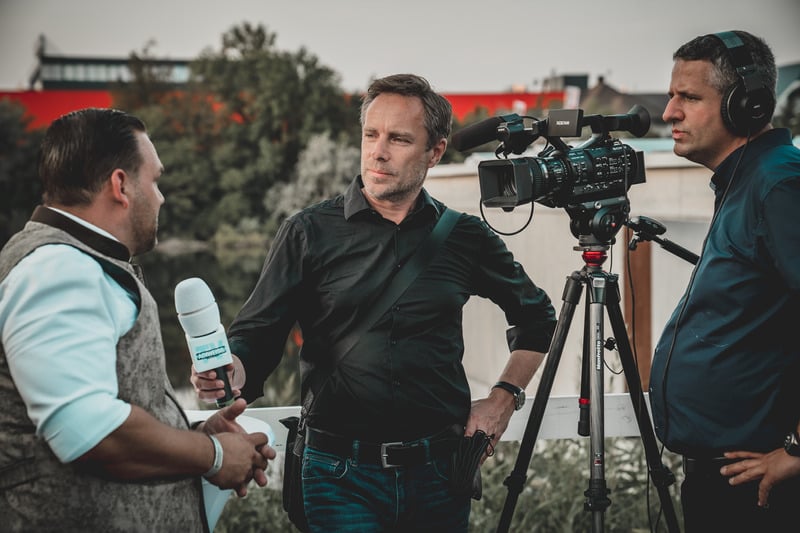
Post-Production: Editing to Convey the Right Message
The post-production phase is where the story truly takes shape. Editing plays a pivotal role in determining how your documentary is received. It’s not merely about stitching together footage, but sculpting a narrative that resonates with viewers. The art of editing lies in creating a coherent story arc, ensuring smooth transitions and maintaining audience engagement throughout.
During editing, focus on pacing. Determine the rhythm of your documentary; a well-paced film allows audiences to absorb information without feeling rushed. Utilize techniques like montages to encapsulate themes or emotions succinctly, inviting viewers into the narrative’s essence.
Incorporating sound and music during editing enhances the message you aim to convey. Carefully selected tracks can heighten emotions, guiding viewers through the cinematic experience. Ensure the sound design complements the visuals without overshadowing them, creating a harmonious blend.
Finally, solicit feedback during the editing process. External perspectives can provide valuable insights and identify areas that may require refinement. By honing in on the final product, you can ensure that your documentary conveys the intended message with clarity and impact.
How to Distribute and Market Your Documentary Filmmaking Effectively
Once your documentary reaches completion, the next essential step is distribution and marketing. Crafting a distribution strategy is crucial for ensuring that your work finds its intended audience. Consider various platforms, ranging from film festivals to streaming services and social media, each offering unique benefits for reaching different demographics.
Film festivals can serve as a launching pad for your documentary, providing exposure and networking opportunities. Leverage these events to connect with industry professionals, critics, and fellow filmmakers who may offer valuable insights and potential partnerships.
Online marketing plays a pivotal role in the modern era. Utilize social media platforms to create buzz around your documentary, engaging potential viewers through trailers, behind-the-scenes content, and interactive discussions. Building a website dedicated to your work can aid in showcasing your mission, crew, and the impact you wish to achieve.
- Explore Behind the Scenes Videos for Deeper Insights
- Effective Brand Videos Boost Your Business Presence
- Engaging Ask me Anything videos for Audience Connection
- Comprehensive Product Reviews for Informed Decisions
- Create Engaging TikTok Videos That Capture Attention
In conclusion, this article has explored the essential aspects of documentary filmmaking, emphasizing the importance of clarity in intent, research, storytelling, and ethical considerations. By understanding these core principles, filmmakers can create impactful and authentic narratives that resonate deeply with audiences. This comprehensive approach not only enriches the viewing experience but also enhances the documentary’s potential to inspire change. For those looking to embark on their documentary journey, consider leveraging these insights and start crafting your own unique story today.
ARTICLES IN THE SAME CATEGORY
Understanding How Much It Costs to Start a Podcast
Download Free Raw Podcast Clips for Editing
Do Podcasters Make Money and How to Increase Earnings
Explore the Excitement of Challenge Videos Today
Discover the Best YouTube Podcasts on Spotify
How a Beginner Starts a Podcast Effectively
How to Start a Podcast Script Effectively and Creatively
How to Setup Live Stream on YouTube Easily