
Setting up a live stream on YouTube can seem daunting, but it’s easier than you think. With the rise of online communication and digital content creation, many individuals and brands are eager to engage their audience in real-time, making how to set up live stream on YouTube an essential skill. In this article, we will walk you through the step-by-step process, ensuring you have all the tools and knowledge to effectively go live, connect with your viewers, and enhance your online presence. Ready to dive into the world of live streaming? Let’s get started!
Download freevideo on snapvideofun.online
Requirements for Live Streaming on YouTube
Before diving into the process of how to setup live stream on youtube, there are basic requirements to be aware of. First, ensure you have a verified account, as this is crucial for streaming. YouTube mandates that you verify your phone number to activate this feature. Once verification is done, check your channel status. If your account is in good standing, you can begin setting up your live streams.
Having reliable internet is also essential. A minimum upload speed of 3 Mbps is recommended for smooth streaming. The type of content you plan to stream will influence the hardware you need. Opting for a good microphone and webcam will significantly enhance your livestream quality.
For those wondering how to setup live stream on youtube on pc or any other device, make sure your software and hardware meet YouTube’s technical specifications. Familiarity with streaming tools, whether on a computer or a phone, is key for delivering a professional broadcast. Additionally, considering your privacy settings and audience engagement options early on will help lay the groundwork for your streaming success.

Step-by-step Guide to Set Up Your Live Stream
Getting started with live streaming is straightforward once you understand the steps involved in how to setup live stream on youtube properly. Begin by logging into your YouTube account, then navigate to the ‘Create’ button located at the top right of the screen. From the dropdown, select ‘Go Live’. Here, you’ll see options for streaming in two main formats: Webcam or Stream. Choose the one that best fits your needs henceforth.
If you’re aiming for a more professional setup, opt for Streaming. You will then have to set the title, description, and privacy settings of your live stream. Don’t forget to create an engaging thumbnail to attract viewers. If you’re streaming using your phone, the process is similar, especially in selecting the live feature directly from the app, thus it’s an alternative for how to setup live stream on youtube on phone.
For those on laptops, ensure your device meets the minimum system requirements to run streaming software efficiently. After filling out all necessary details, familiarize yourself with the live control room, which provides you with insights and settings you can adjust in real-time to optimize your streaming experience.
Choosing the Right Streaming Software for You
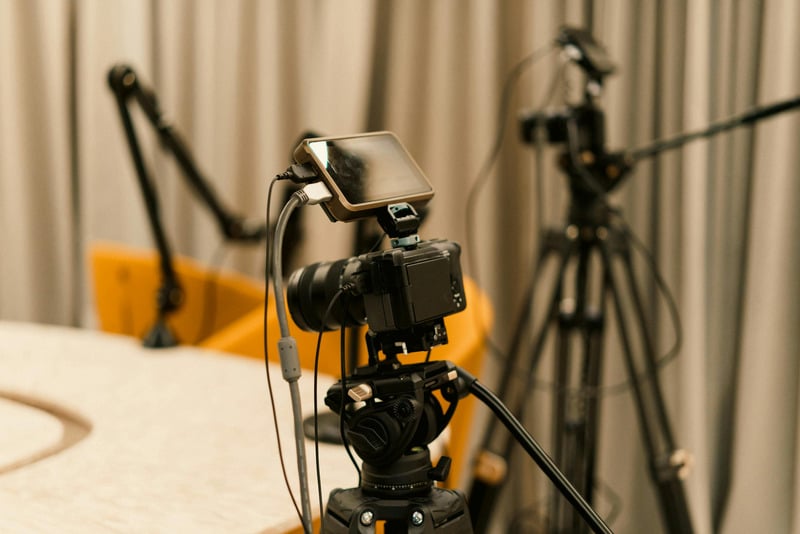
The right streaming software is essential for a seamless live streaming experience. Depending on whether you are using a laptop, PC, or phone, your choices will vary. Popular software options include OBS Studio, Streamlabs, and XSplit. Each provides different features suited for various user needs.
For those wondering how to setup live stream on youtube on laptop, OBS is highly recommended due to its versatility. It supports many configurations and allows you to customize your stream significantly. For mobile users, platforms like the YouTube app for both Android and iOS can handle live streaming directly without needing external software.
If you’re looking for user-friendly options, Streamlabs integrates well with YouTube and has built-in features for engagement. Stream quality and viewer interaction capabilities are crucial, which is why reviewing these platforms based on your level of expertise can save time and ensure a more productive streaming experience.
Tips for Optimizing Your Live Stream Settings
When it comes to live streaming, optimal settings can make a world of difference. First, focus on your streaming resolution. For most situations, 1080p at 30 FPS is a balanced choice that caters to most viewer standards. However, if you are playing video games or showcasing high-motion content, consider adjusting to 60 FPS.
Bitrate also plays a crucial role in stream quality. Adjusting the bitrate according to your internet speed is vital. Generally, higher bitrate leads to better quality but can require faster internet. Make use of the advanced settings within your streaming software to balance quality and performance effectively.
Moreover, ensure that your audio quality is up to par. Investing in a good microphone can make the auditory experience for your viewers much more pleasant. If you aim to engage your audience, exploring options like overlay graphics and alerts can enhance interactivity. Mastering these settings is a key element in how to live stream on youtube without 1000 subscribers, ensuring that even smaller channels can deliver impressive streams.
Engaging Your Audience During a Live Stream
Engagement during your stream is crucial for retaining viewers and building a community. Start strong with an engaging introduction, clearly stating what viewers can expect. Make sure to interact with comments and messages in real-time; acknowledging your audience can create a more personal atmosphere.
Utilize features like polls or questionnaires to bring your audience into the conversation. For a more interactive experience, consider using a co-host or inviting guests to facilitate discussion and diversify content. Additionally, reminding viewers to subscribe or like during the stream can potentially increase your follower count.
It’s also advisable to schedule your live streams at consistent times, as this contributes to audience expectations and habits. Planning your calendar around times when your target demographic is most active can further enhance your engagement and visibility.
Troubleshooting Common Live Streaming Issues
Despite thorough preparation, issues can arise during live streaming. Connectivity problems are among the most common occurrences, so always check your internet connection beforehand. Ideally, have a backup connection, if possible, to switch to if things go awry.
Audio or video delays can disrupt your stream’s flow. Ensure your audio and visual settings are properly synced before going live. Using monitoring tools can help you catch and rectify errors promptly. If you’re using software, ensure it’s updated to eliminate compatibility issues that could lead to glitches.
For those unsure of how to handle these problems in real-time, creating a checklist prior to going live will help you quickly identify the root cause. Recognizing potential pitfalls in advance will help ensure a smoother streaming experience for you and your audience.
Post-Live Stream: Analyzing Your Performance
Once your live stream concludes, it’s important to evaluate how it went. YouTube provides analytics that can be invaluable for improving your future streams. Analyzing viewer retention, engagement rates, and peak viewership times can offer insights into what worked well and what needs adjustment.
Consider reviewing comments and feedback from your audience. This direct insight can often reveal issues you may not have been aware of during the stream. If you employed any metrics, assess whether they effectively engaged your viewers.
Furthermore, creating follow-up content based on your stream can continue the conversation and deepen your audience’s connection. The post-live analysis process helps maintain and grow your community by ensuring you tailor future content according to viewer preferences and feedback.
- Create Impactful Corporate Videos for Your Business
- Learn through engaging video tutorials online
- Exploring the World of Podcast Videos for Creators
- Understanding Company Culture Videos and Their Impact
- Discover the Best Entertainment Videos from Around the World
In conclusion, setting up a live stream on YouTube requires careful consideration of essential requirements, optimal settings, and engagement strategies. By following the outlined steps and tips, you can create an impressive streaming experience that stands out and keeps your audience coming back for more. Remember to analyze your performance post-stream to continually improve and grow your channel. If you’re ready to take your live streaming to the next level, explore our additional resources or sign up for our newsletter for ongoing tips and updates!
ARTICLES IN THE SAME CATEGORY
Understanding How Much It Costs to Start a Podcast
Download Free Raw Podcast Clips for Editing
Do Podcasters Make Money and How to Increase Earnings
Explore the Excitement of Challenge Videos Today
Discover the Best YouTube Podcasts on Spotify
How a Beginner Starts a Podcast Effectively
How to Start a Podcast Script Effectively and Creatively
How to Setup Live Stream on YouTube Easily