
When it comes to creating high-quality audio content, mastering microphone techniques for podcasters is essential. Many aspiring podcasters struggle with issues like audio clarity, unwanted noise, and disruptive plosives, which can detract from the listening experience. In this article, we will explore the best practices for microphone distance and positioning, as well as effective methods to reduce plosives, ensuring your podcast sounds professional and engaging. Ready to elevate your podcasting game? Let’s dive in snapvideofun.online !
Understanding Different Types of microphone techniques for podcasters
Microphones are essential tools for any podcaster, as they capture sound in various environments. Understanding the different types of microphones available can significantly enhance the audio experience. Some common types include dynamic, condenser, and ribbon microphones. Dynamic microphones are known for their durability and ability to handle high sound pressure levels, making them ideal for loud environments. Meanwhile, condenser microphones are often favored in studio settings due to their sensitivity and wider frequency response.
Ribbon microphones offer a unique warm tone, often used in professional broadcasts. Choosing the right microphone depends on your podcasting style, recording environment, and the type of audio you want to capture. Exploring each microphone’s features helps you determine which suits your needs best. Whether you’re conducting interviews, performing voiceovers, or hosting roundtable discussions, selecting a microphone aligned with your purpose reinforces the audio integrity of your podcasting efforts.
Setting Up Your Microphone for Optimal Sound Quality
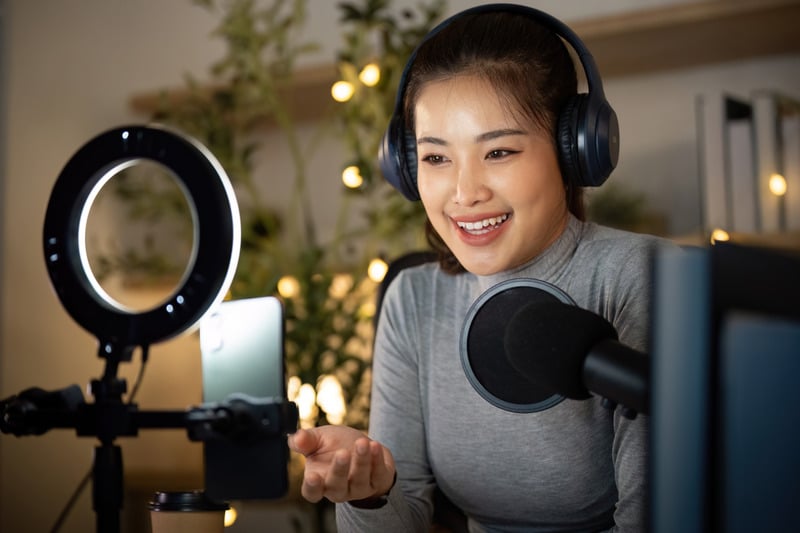
Setting up your microphone correctly is crucial to achieving optimal sound quality. Generally, the initial step involves choosing the right recording space. Spaces with soft furnishings can help absorb sound, reducing unwanted echoes. Next, position the microphone at an appropriate height relative to your mouth. Generally, a pop filter can be beneficial as it deflects plosive sounds, enhancing clarity.
Another foundational aspect of setup is adjusting the input levels on your recording device, ensuring you avoid clipping while ensuring the audio remains loud and clear. Utilize headsets to monitor audio levels in real-time, allowing you to make immediate adjustments if needed. This attention to detail reinforces your commitment to quality podcasting, ensuring that your message reaches listeners in the best possible format. Prioritizing setup lays a solid foundation for your audio output, facilitating broader engagement with your audience.

Tips for Microphone Placement: Distance and Angles
Microphone placement plays a significant role in the overall sound experience. Keeping the microphone a few inches away from your mouth generally balances loudness and crispness while reducing unwanted noise. This distance allows the microphone to capture your voice clearly without overwhelming it. Experimenting with angles is equally important; slight adjustments can vastly change the audio quality. Aiming the microphone slightly off-axis prevents harsh sounds and enhances warmth.
Varying distance and angles can reduce room noise and provide a cleaner sound. Ensure that the mic is not directly in the path of your breath to minimize pops, which can disrupt the listener’s experience. Engaging in some tests during the setup phase gives you an opportunity to find the ideal placement that best captures your voice. Such dedication to detail will undoubtedly reflect in your final output, illustrating professionalism in your work.
Avoiding Common Audio Issues: Plosives, Sibilance, and Noise
One of the most frequent audio issues encountered by podcasters are plosives, which occur when explosive consonant sounds hit the microphone directly. Using a pop filter is often the first line of defense against these unwanted sounds. Another common issue is sibilance, where the ‘s’ sounds can be overly sharp and piercing. Adjusting microphone placement and utilizing equalization during post-production can greatly help mitigate this issue.
Additionally, external noise can severely distract listeners. Limiting background distractions is crucial; consider recording in quieter environments or using directional microphones that focus solely on your voice. Each of these common audio problems requires attention but can be effectively managed. Addressing these challenges builds a more polished audio experience for your audience, helping them enjoy your podcast without unnecessary interruptions.
Post-Production Techniques to Enhance Microphone Audio
Post-production is where the magic truly happens; enhancing your audio recording through editing can significantly improve listener engagement. Start by removing any unnecessary pauses or mistakes that may detract from your audio’s flow. Using audio editing software allows you to apply equalization to ensure your voice sounds balanced, bringing warmth and presence.
Adding compression can help maintain consistent levels, making quieter sounds more audible while controlling louder peaks. Exploring effects such as reverb can introduce depth, but use them sparingly to avoid overwhelming the primary voice. The goal of editing is to refine and polish your raw recordings into a seamless listening experience. This commitment to post-production ensures that audience engagement remains high and that your message is clearly conveyed.
Choosing the Right Accessories: Pop Filters and Shock Mounts
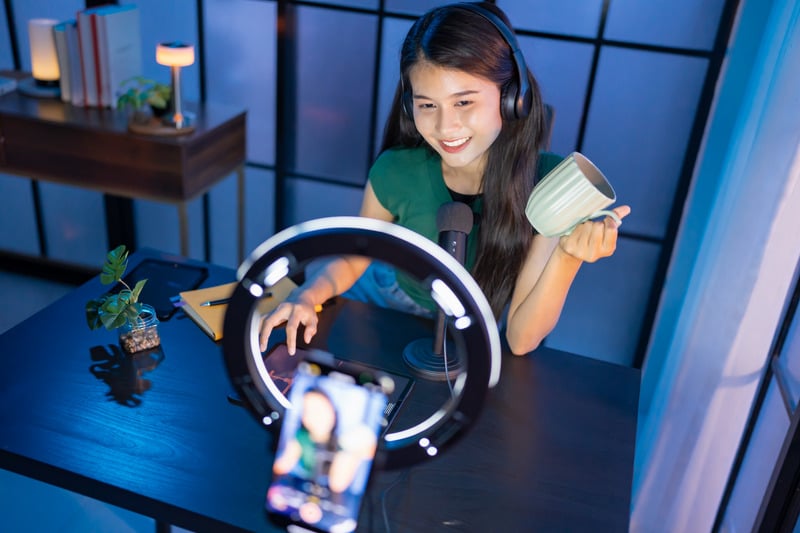
Selecting the right accessories enhances the overall effectiveness of your audio recording setup. Pop filters stand out as essential tools for podcasters, aiding in the reduction of plosives and sibilance. These filters are easy to attach and can significantly improve vocal clarity. Consider investing in a quality pop filter for consistent results across recordings. Shock mounts are equally valuable, as they isolate the microphone from vibrations and handling noise. Mounting your microphone effectively ensures that accidental bumps or shifts during recording won’t impact audio quality.
Moreover, boom arms can provide flexibility in positioning your microphone for the best sound capture. Accessories might seem like minor details, but they contribute to a cleaner and more professional audio output. Assessing these components ensures your podcast not only sounds better but also showcases an understanding of production standards.
Developing Your Vocal Delivery for the Best Audio Experience
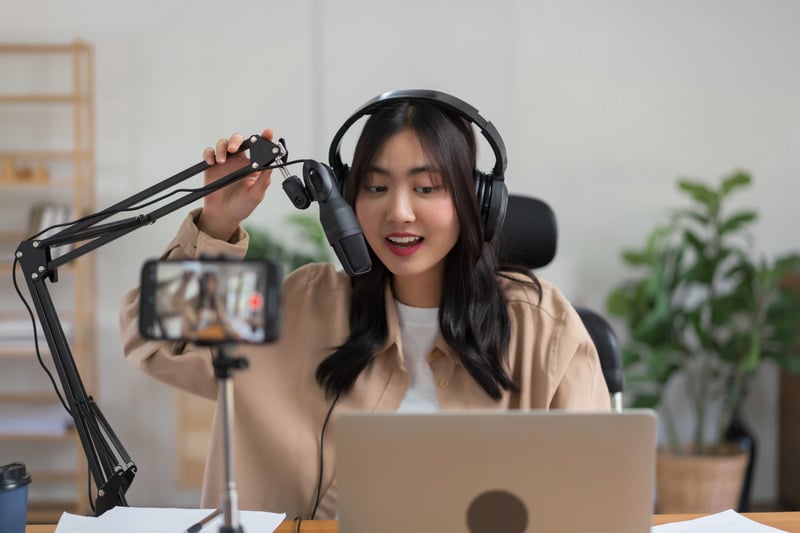
Your vocal delivery has a profound impact on how your message is received. Craft a clear and confident speaking style, maintaining a moderate pace that allows listeners to absorb your content. Variations in tone and pitch help keep the audience engaged. Remember to articulate clearly, as mumbled words can lead to misunderstandings.
Practicing your delivery can prove beneficial, engaging in mock recordings allows you to identify areas for improvement. Additionally, hydration plays a role in keeping your voice smooth. Avoiding foods that might create excess saliva is advisable just before recording. Ultimately, mastering your vocal delivery complements the technical aspects of microphone use. By fusing delivery and technical skills, you engage audiences more effectively, enhancing their overall listening experience.
- Podcast Analytics Explained for Downloads and Retention
- Choosing the Perfect Podcast Format for Your Show
- Ethical Rules for Telling True Crime Stories Effectively
- Explore 30 Days of Solo Podcast Content Ideas
- Vocal Delivery for Podcasters Tips for Better Engagement
In conclusion, understanding the various types of microphones and their proper setup is essential for podcasters seeking to enhance their audio quality. By carefully selecting the right microphone and accessories, as well as mastering placement and vocal delivery, you can significantly improve your podcast’s listener experience. This article equips you with the knowledge and techniques necessary to elevate your audio production to a professional level. Now, take the next step in your podcasting journey by exploring our recommended microphones and accessories, and start creating captivating audio content today!
ARTICLES IN THE SAME CATEGORY
How to Moderate a Multi-Host Podcast Effectively
Mastering Microphone Techniques for Podcasters
Ethical Rules for Telling True Crime Stories Effectively
Choosing the Perfect Podcast Format for Your Show
Podcast Analytics Explained for Downloads and Retention
Vocal Delivery for Podcasters Tips for Better Engagement
Explore 30 Days of Solo Podcast Content Ideas
Using Social Media Clips to Boost Your Podcast Audience