
Recording alone can often lead to feelings of self-doubt and insecurity, but knowing how to stay confident and natural when recording alone can transform your experience. Many individuals struggle with maintaining their composure while speaking to a camera or microphone, which can hinder creativity and authenticity. This article provides you with practical strategies and tips to boost your confidence, allowing you to express yourself freely and naturally in your recordings. Curious to discover how you can overcome these challenges and sound your best? Let’s dive in with snapvideofun.online
Preparing Your Mindset for Solo Recording Sessions
To unleash your creativity during solo recording sessions, begin by cultivating a positive mindset. Embrace the idea that recording alone allows for complete expression without external influences. Acknowledge your unique voice and style, and leverage this opportunity to explore. Take a moment to visualize the outcome you desire: effective communication with your audience. Reinforce your confidence by recalling past successes in similar situations. This mental preparation can effectively set the stage for a productive recording experience. Start by creating a mantra or affirmation that emphasizes your capabilities. By repeating this, you’ll gradually align your thoughts with positivity and readiness, allowing you to tackle the inevitable nerves that might surface during the process. Visualizing your success and believing in your message empowers you to stay confident and natural when recording alone.
Setting Up a Comfortable Recording Environment
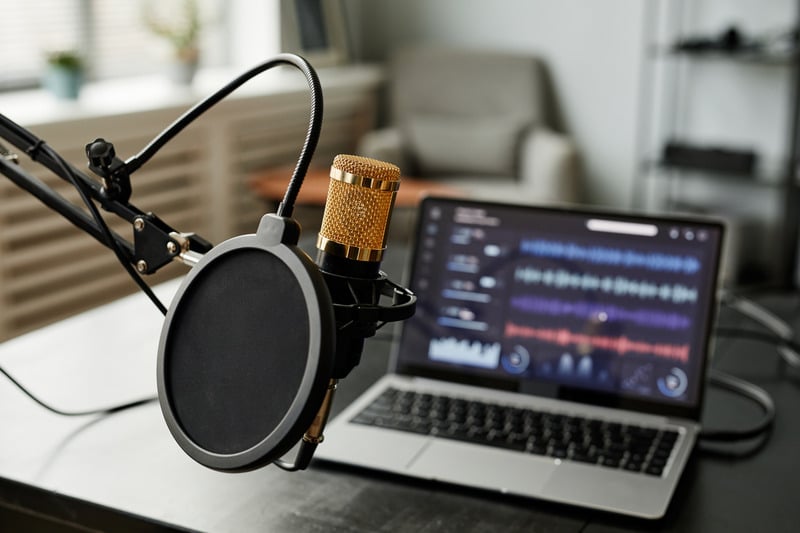
Creating an inviting recording space is essential for how to stay confident and natural when recording alone. Begin by selecting a quiet area where background noise is minimal; this might be a dedicated room or a comfortable corner of your home. Personalize the space with items that inspire you. Comfortable seating can make a significant difference. Focus on good lighting, as it can enhance your mood and energy levels. Consider the placement of your recording equipment—it should be easily accessible and set up for convenience. Pay attention to sound quality; using quality microphones and soundproofing can make your recordings sound professional, allowing you to feel at ease with your performance. The right atmosphere helps calm nerves and fosters a sense of comfort, crucial for delivering authentic content when recording solo.

Practicing Your Delivery Before Hitting Record
To feel at ease in front of the camera or microphone, practice is indispensable. Rehearsing your delivery helps internalize your message, making you more comfortable when it’s time to record. Begin with a script or key points that outline what you wish to convey. Say it out loud several times to gauge your pacing and intonation. Record these practice runs; reviewing them offers insights into how you present your content and reveals areas for improvement. This familiarity with your material cultivates confidence, transforming nervous energy into enthusiasm. As you become more accustomed to your content, allow your personality to shine through, creating a more authentic connection with your audience. With sufficient practice, you’ll recognize your rhythm and flow, further enhancing your self-assurance when it’s time to press record.
Using Body Language to Enhance Confidence
Physical presence plays a crucial role in how you communicate. When recording alone, being mindful of body language can amplify your confidence significantly. Stand or sit up straight; this posture not only reflects confidence but also positively influences your vocal delivery. Use your hands expressively to convey enthusiasm or emphasize key points, even if no one is physically present to see them. Smiling while speaking can improve the warmth of your voice and engage listeners indirectly. Maintain an open posture to foster a sense of receptiveness and ease. Engaging your body will make you feel more authentic, allowing your true self to come forth naturally while recording. This alignment of body and voice solidifies a grounded presence for your audience, reinforcing your ability to stay confident and natural.
Techniques to Overcome Nervousness While Recording
Even the most seasoned speakers experience nerves while recording. Implementing specific techniques can help alleviate this tension and foster a relaxed atmosphere. Begin with deep-breathing exercises to regulate your heart rate and settle your mind before you start speaking. Pacing your speech can also help manage anxiety; allowing pauses can give you a moment to breathe and gather your thoughts. If doubts arise, remind yourself that it’s okay to make mistakes—these often add authenticity to your recordings. Consider visualizing your ideal audience; this can create a more engaging mental connection, transforming nervousness into excitement. By anticipating a friendly response from imagined listeners, you bolster confidence and remain present in the moment, ensuring your delivery remains genuine and relatable.
Finding Your Authentic Voice and Style
Your unique voice sets you apart in the crowded digital landscape. Embrace who you are, and let this authenticity guide your content. Experiment with various tones, styles, and formats until you discover what resonates with you most. Authenticity often shines through when you speak about topics you’re passionate about. Share personal anecdotes or opinions that reflect your personality; these elements create a distinctive connection with your audience. Aligning your message with your true self fosters trust, making viewers more likely to engage. This effort to maintain authenticity supports the broader goal of how to stay confident and natural when recording alone. Acknowledging your individuality encourages vulnerability, bridging gaps and fostering relatability with listeners.

Reviewing and Learning from Your Recordings
After recording, take the time to review your work critically. This process not only allows for recognition of strengths but also highlights areas for improvement. Reflect on your delivery, tone, and overall performance. Note any moments of hesitation or slip-ups; these are invaluable for growth. Use constructive feedback to refine future recordings. Set specific goals based on these reflections, whether it’s to adjust your pacing or vary your intonation. Recognizing progress from one recording to the next builds confidence and reduces anxiety surrounding the recording process. Each session becomes a learning experience, equipping you with the skills needed to enhance your performance over time. Ultimately, your commitment to improvement lays the foundation for consistently being confident and natural in your solo recordings.
- Edit a Podcast Like a Pro with This Beginner Guide
- Monetize Your Podcast with Sponsorships and Ads
- Top Podcast Hosting Platforms Compared (Pros & Cons)
- Grow Your Podcast Audience Organically with These Tips
- How to Record High-Quality Audio in a Noisy Environment
In conclusion, cultivating a positive mindset, creating a comfortable recording environment, and practicing your delivery can significantly enhance your solo recording experience. By embracing your unique voice and learning from each session, you can transform nerves into confidence, ultimately delivering more authentic content to your audience. Remember, each recording is an opportunity for growth, so don’t hesitate to apply these techniques. If you’re ready to take your recordings to the next level, consider exploring our resources or reaching out for personalized guidance. Happy recording!
ARTICLES IN THE SAME CATEGORY
How to Moderate a Multi-Host Podcast Effectively
Mastering Microphone Techniques for Podcasters
Ethical Rules for Telling True Crime Stories Effectively
Choosing the Perfect Podcast Format for Your Show
Podcast Analytics Explained for Downloads and Retention
Vocal Delivery for Podcasters Tips for Better Engagement
Explore 30 Days of Solo Podcast Content Ideas
Using Social Media Clips to Boost Your Podcast Audience